

CPR: the next generation hydraulics
CPR-systems represent a fundamental shift in how hydraulic power is delivered and controlled
Built on proven engineering principles
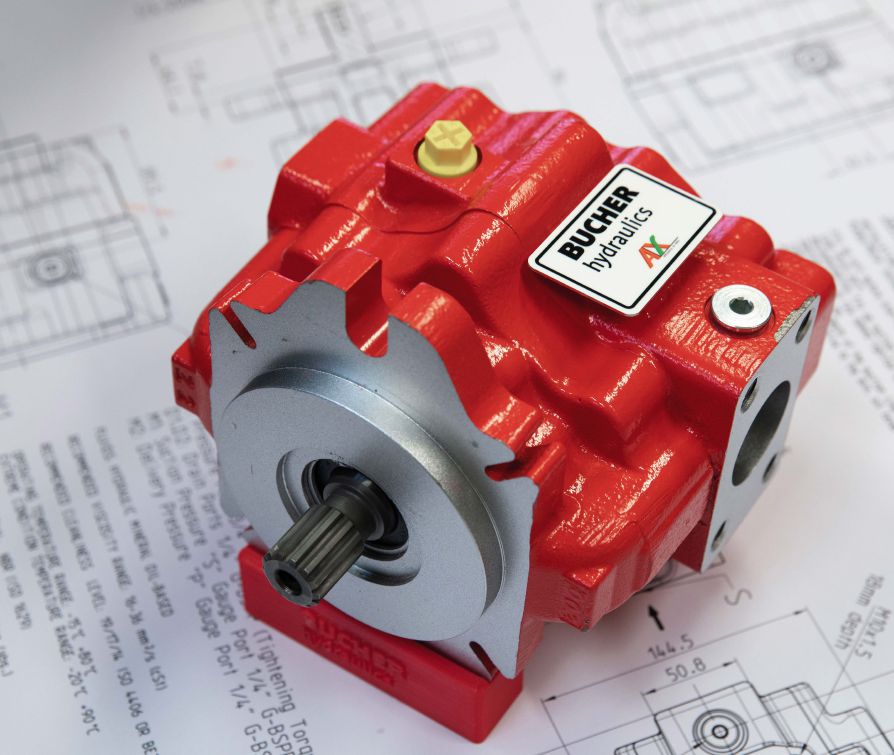
CPR-systems rely on traditional hydraulic components, including modern accumulators, coolers, safety valves, and fixed displacement pumps as fundamental parts. At its core, the hydraulic transformer uses the proven Floating Cup technology.
What sets CPR-systems apart
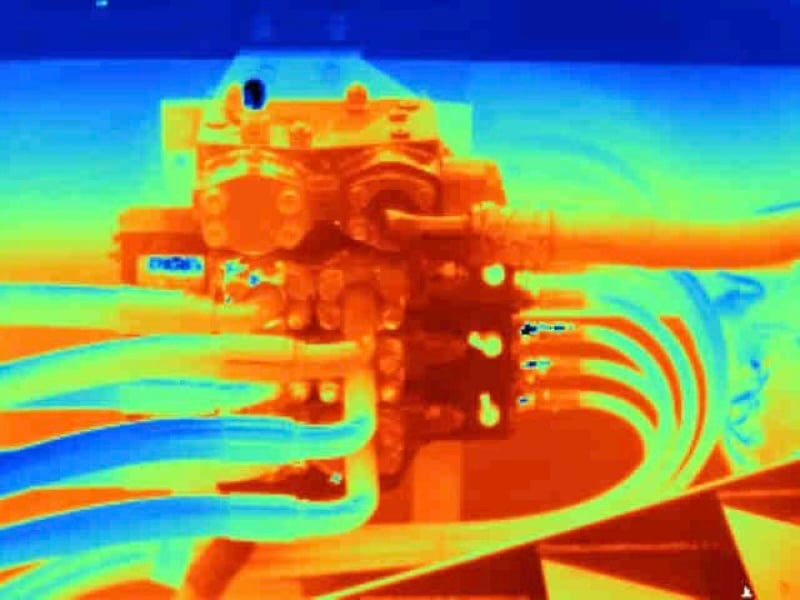
CPR-systems outperform conventional hydraulics in efficiency, sustainability, and operational control. Off-highway machinery demands more, and these systems deliver.

The FCT45 makes it possible
The FCT45 hydraulic transformer is the enabling technologyCPR-systems represent a fundamental shift in how hydraulic power is delivered and controlled
How the transformer changes everything
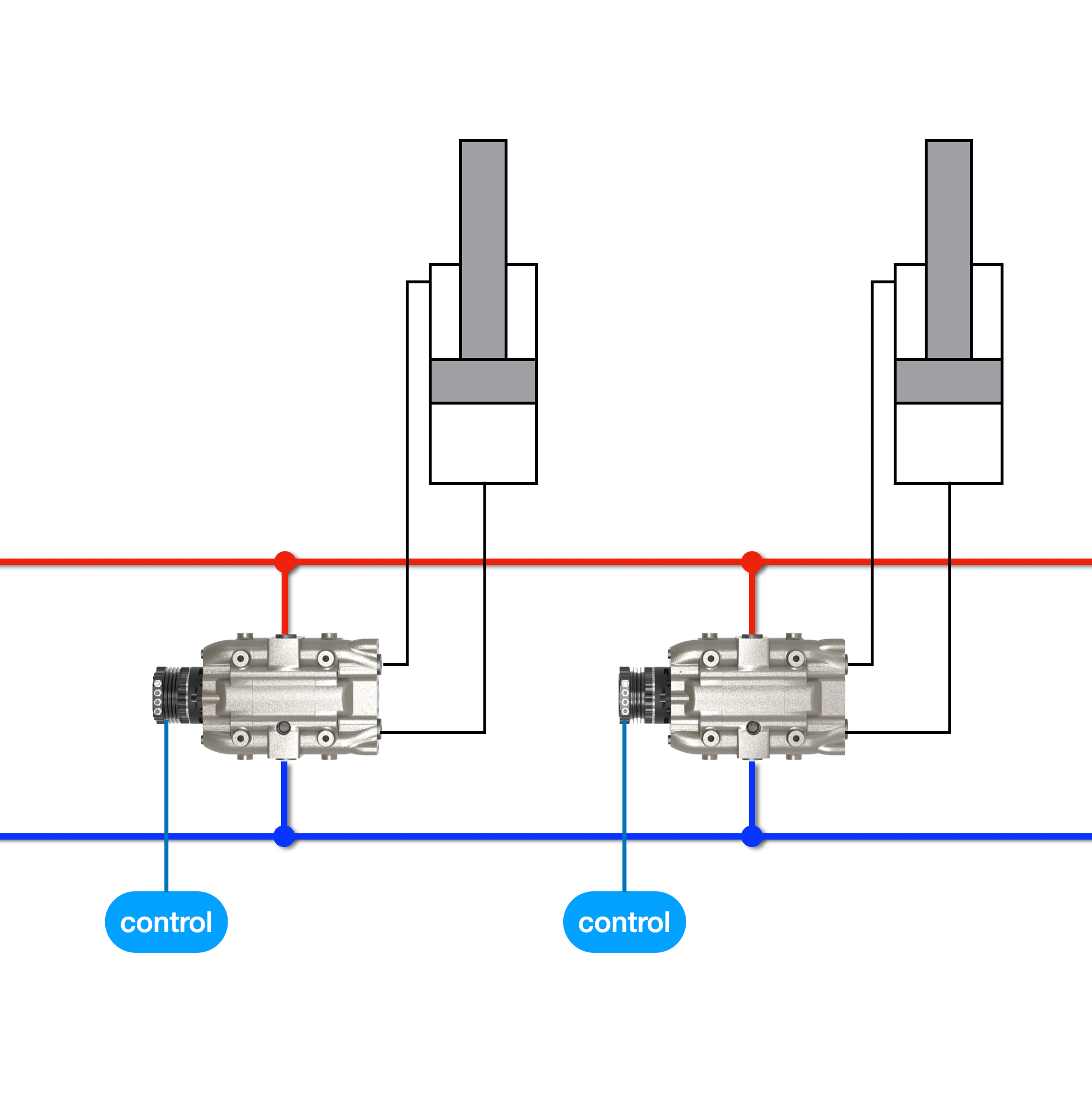
The FCT45 transforms how hydraulic power distributes through the system. It manages pressure and flow with intelligence that conventional components cannot achieve.
Technical breakthroughs that define the next generation
CPR-systems introduce capabilities that reshape how off-highway machinery operates. Each innovation builds on the others to create a complete solution.
Energy recovery systems
Captured energy that would otherwise dissipate now returns to the system for productive use.
Modular architecture
Components integrate seamlessly, allowing customization for specific applications and future upgrades.
Robust precision control
Real-time adjustment ensures optimal performance across varying operating conditions and load demands.
What makes CPR systems more efficient?
There are several reasons why CPR-systems are much more efficient than current valve controlled systems, like load-sensing systems.
Dissipation is replaced by transformation
The transformers replace the proportional valves, which are a source of throttle losses. The energy dissipation is replaced by transformation, which is in principle lossless.
Energy recuperation
Contrary to valve controlled systems, the energy can be recuperated by means of the transformers. The regenerated hydraulic power can send to other users, or stored in a hydraulic accumulator.
Efficient power supply
In CPR-systems, the expensive and inefficient variable displacement pumps are replaced by simple and extremely efficient fixed displacement pumps.
Power management
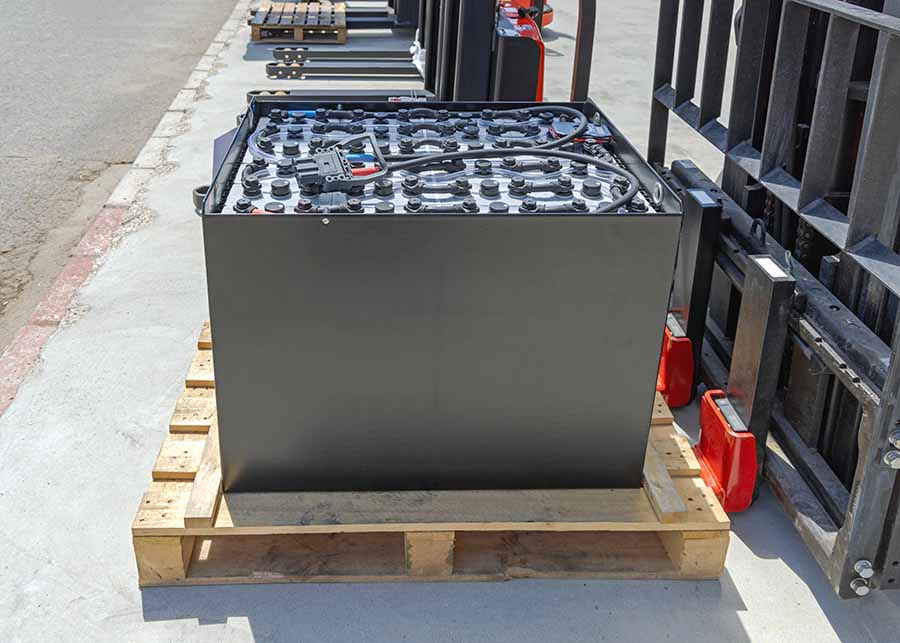
The accumulators in the CPR-system create the opportunity for power management. The motor and pump can always be operated at the best operating conditions.
CPR-systems deliver measurable improvements over conventional hydraulic technology
These metrics represent real-world performance gains that manufacturers can expect. The numbers reflect what early testing has shown in a real wheel loader application.
40%
Less fuel consumption in field testing
60%
Reduction in heat generation versus conventional systems
What others say
About the hydraulic transformer from INNAS
Join the revolution
We are seeking industrial and academic partners to shape the future
Questions
Everything you need to know about CPR-systems and getting started
Yes, both the Floating Cup technology and the hydraulic transformer are protected by numerous international patents.
Partners collaborate on development, testing, and refinement of CPR-systems. You contribute expertise and resources to advance the technology. Together we create solutions that reshape the industry.
Industrial manufacturers in the off-highway sector benefit most from CPR-systems. Academic institutions can contribute valuable research and development. Both types of partners are essential to our success.
The FCT45 is the key enabling technology that makes CPR-systems possible. It transforms how hydraulic power is distributed and managed. Without it, this new generation would not exist.
CPR-systems are a new generation of hydraulic technology built on the FCT45 hydraulic transformer. They deliver power and control with unprecedented efficiency. This represents a fundamental shift in how hydraulic systems operate.